
Improved spray coverage and wetting
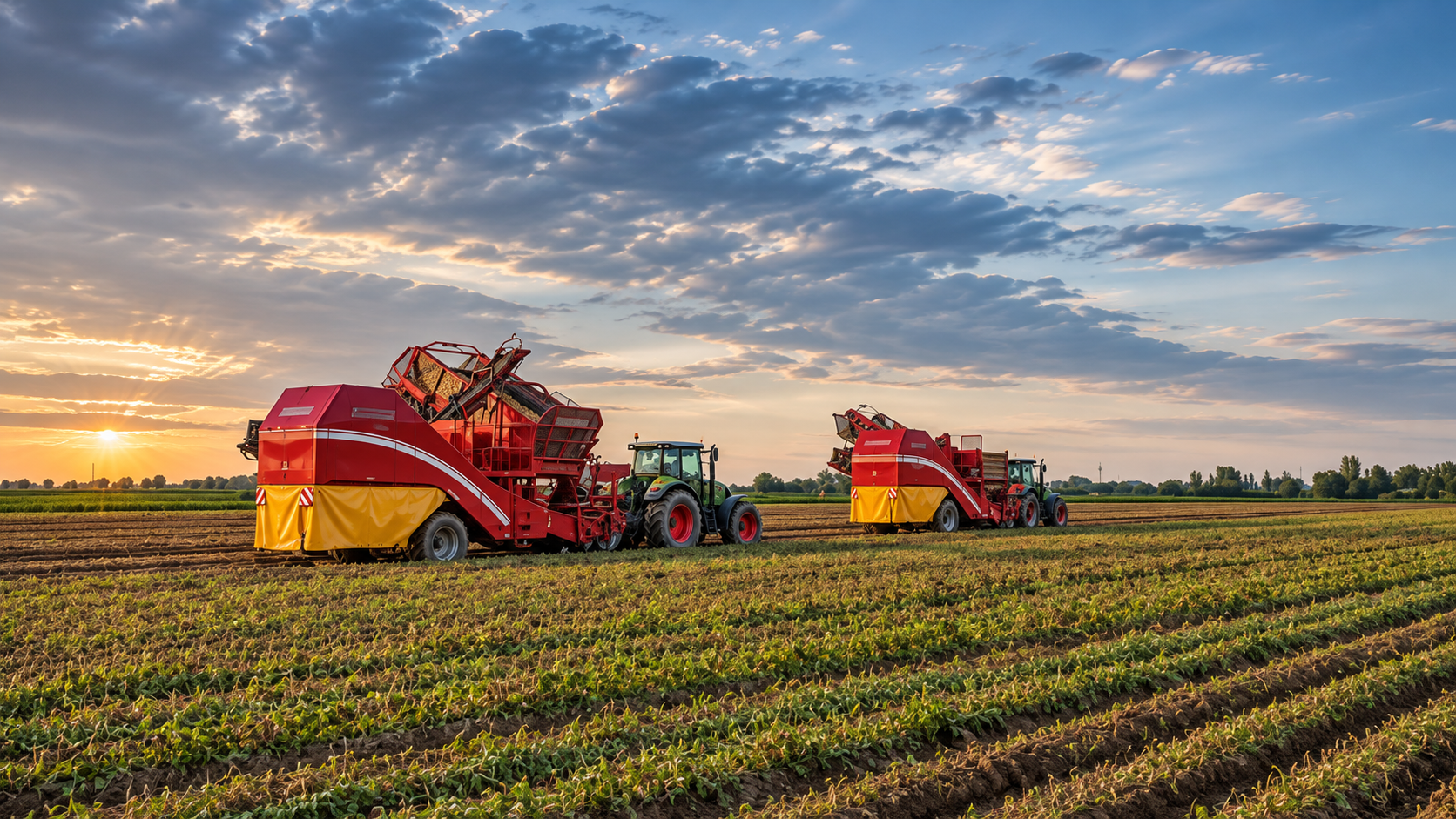
Bio-Field for Potato
Improving the efficiency of season-long crop protection programs
Bio-Field is a tank-mix adjuvant designed for use with crop protection products and other agricultural inputs throughout the growing season.
Designed to support every application

Better distribution of spray solution

Support for efficient crop protection programs

Integration with conventional and biological crop protection systems
Commercial Field Case
Season-Long Potato Application in Central Asia
Bio-Field was used during the growing season as part of a commercial potato production program that included both chemical and biological crop protection products. According to the grower's commercial-season results, an optimized crop protection program incorporating Bio-Field reduced crop protection expenditure by approximately $200 per hectare while maintaining a comparable final potato yield.
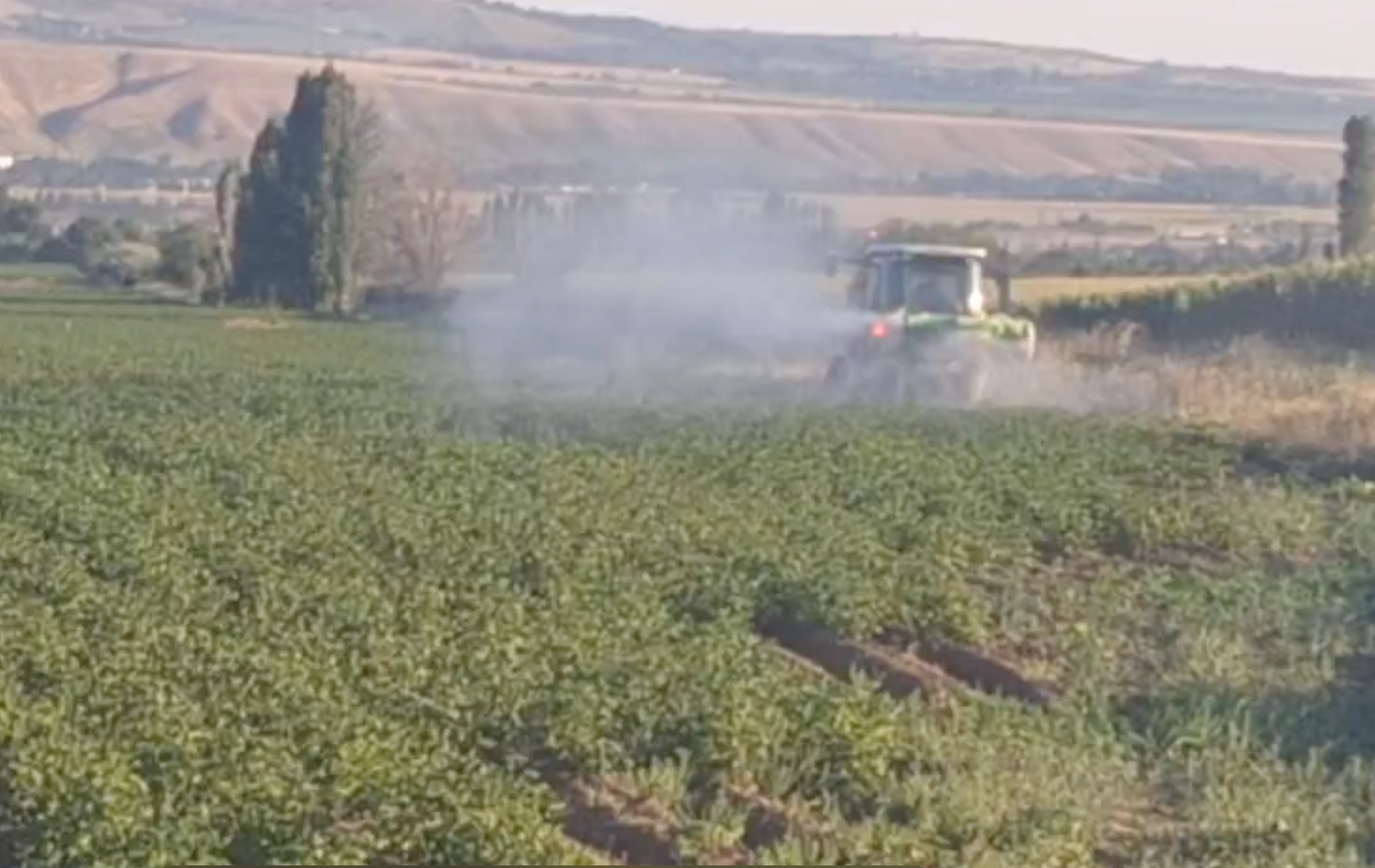
A season-long commercial potato production program
Commercial field application incorporating chemical and biological crop protection products.
≈ $200/ha
Lower crop protection costs
Comparable yield
Versus the farm's standard technology
Results may vary depending on local conditions, crop protection program, application rates, water quality and farm management practices.
Growth Stages & Application Program
Typical potato growth stages, key crop protection technologies and where Bio-Field can be integrated into a season-long program.
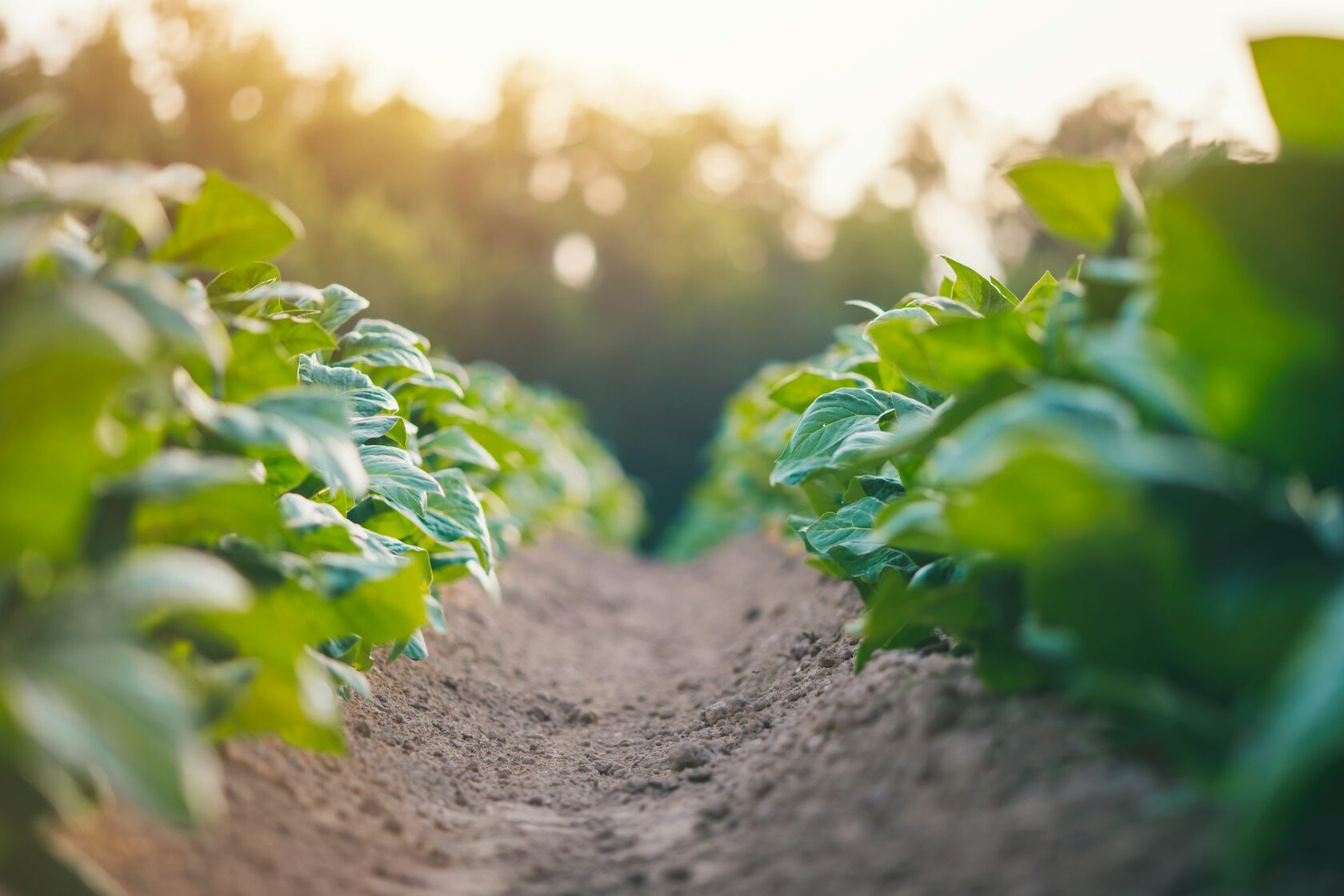
STAGE 1
Emergence & Early Vegetative Growth
Typical applications
- Herbicide programs
- Early disease protection
- Biological products where applicable
Bio-Field role
Support effective wetting and distribution of the spray solution where an adjuvant is agronomically appropriate.
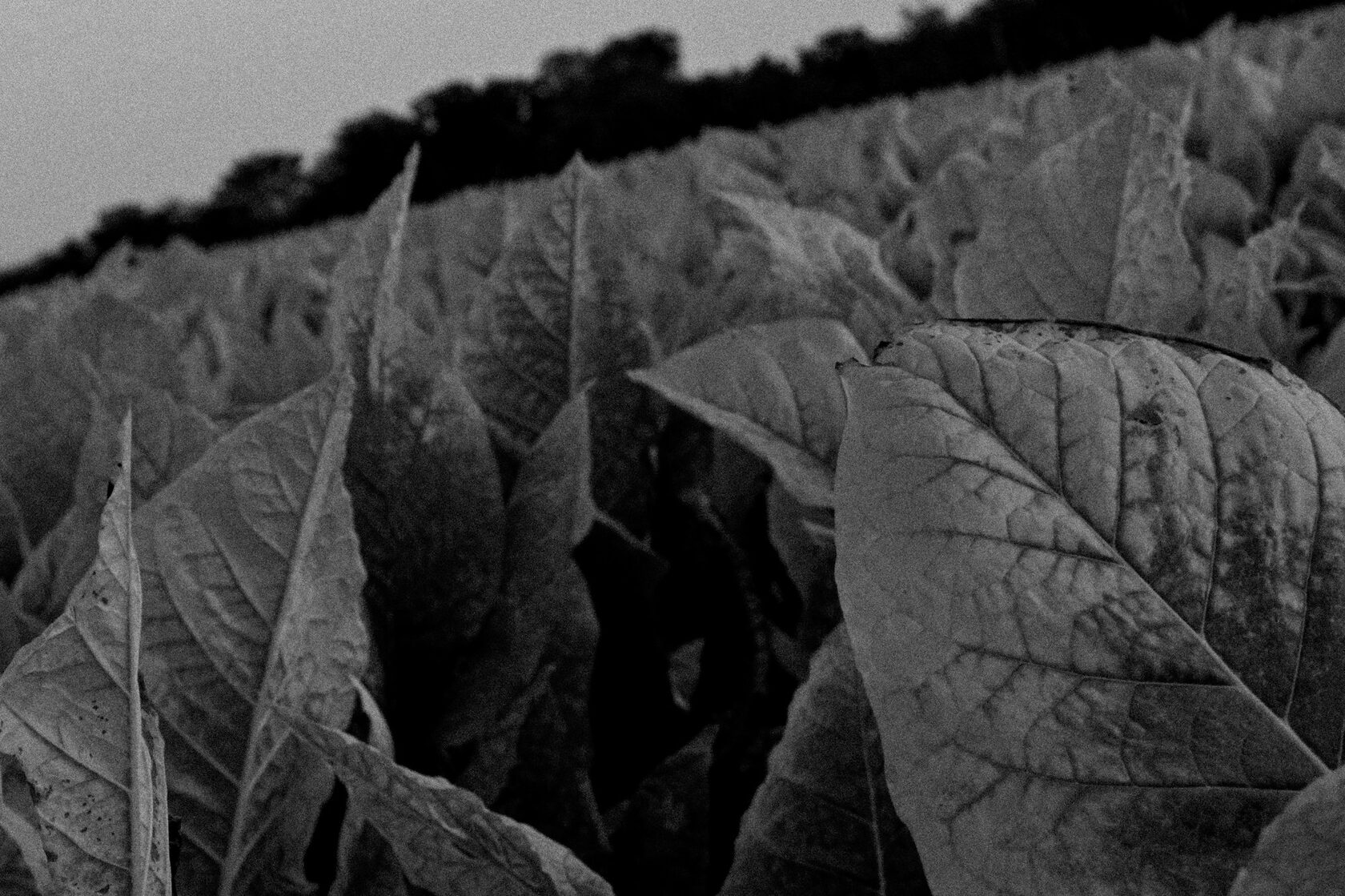
STAGE 2
Canopy Development
Typical applications
- Fungicides
- Insecticides
- Foliar nutrition
- Biological products
Bio-Field role
Support uniform spray distribution across developing foliage.
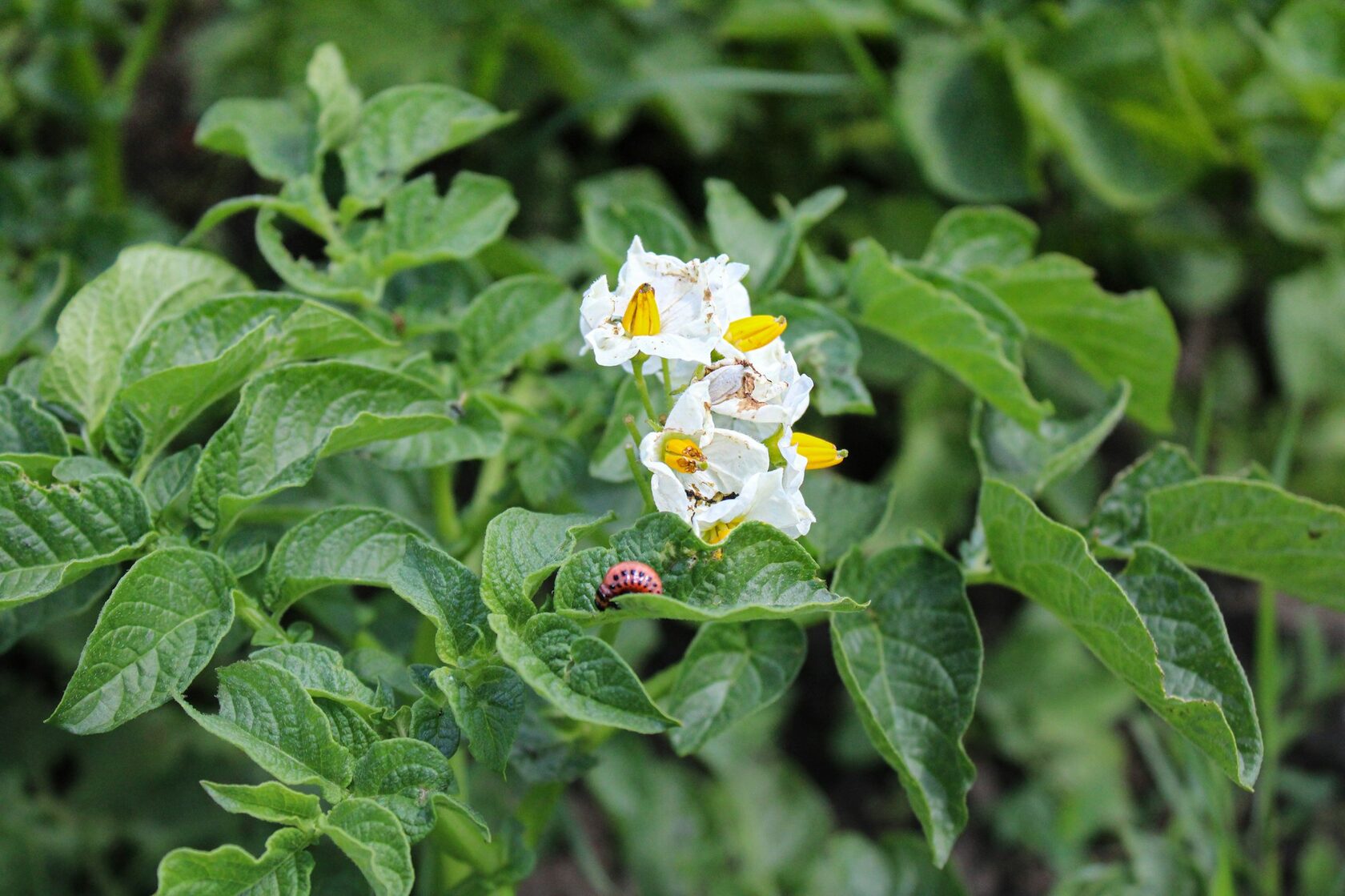
STAGE 3
Flowering & Tuber Initiation
Typical applications
- Late blight protection
- Early blight protection
- Insecticide treatments
- Biological crop protection
- Foliar nutrition
Bio-Field role
Support spray coverage during repeated crop protection treatments.
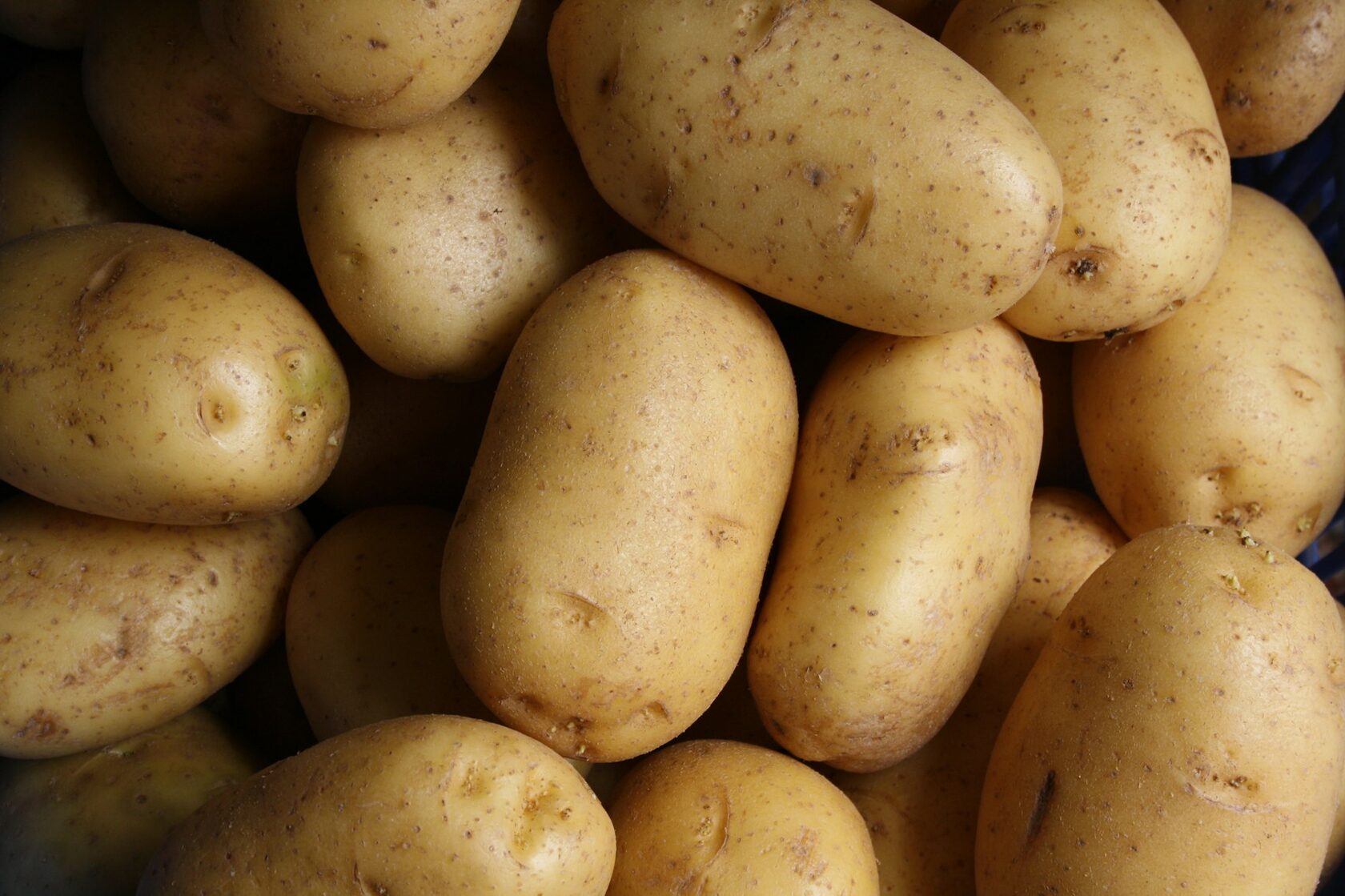
STAGE 4
Tuber Bulking
Typical applications
- Fungicides
- Insecticides
- Biological products
- Foliar nutrition
Bio-Field role
Support the efficiency and consistency of repeated spray applications throughout the main protection period.
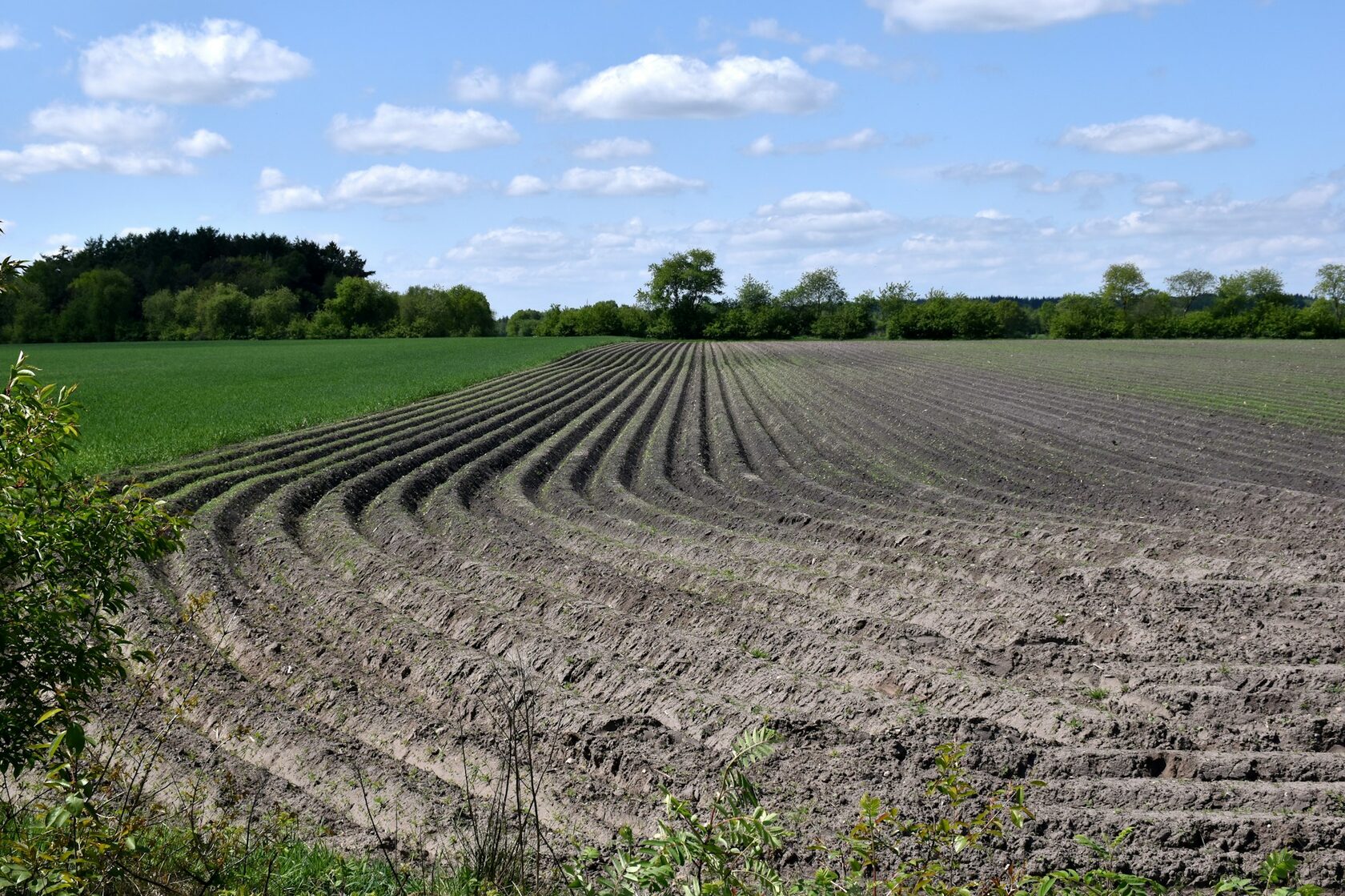
STAGE 5
Late Season
Typical applications
- Final disease protection
- Pest control where required
- Late-season crop management
- Desiccation where used in local production technology
Bio-Field role
Integration into selected late-season spray applications where compatible and agronomically justified.
Actual crop protection programs, pesticide products, application rates and timing depend on local agronomic conditions, product registration and label requirements.